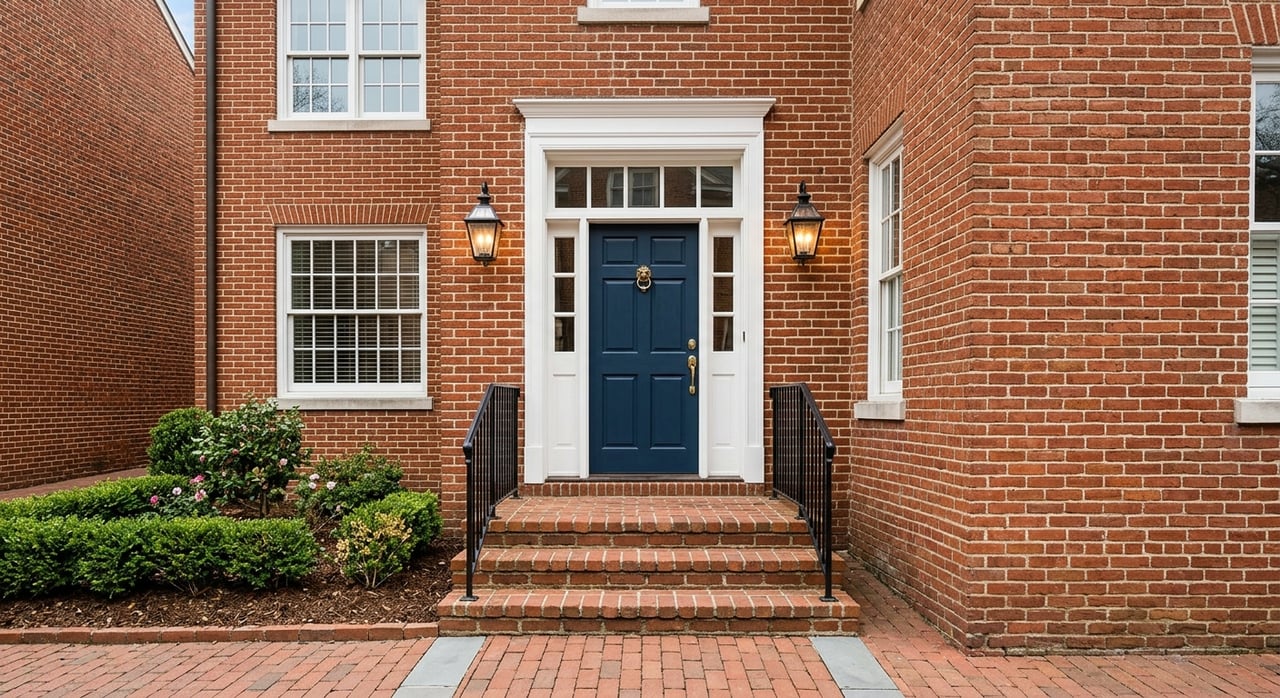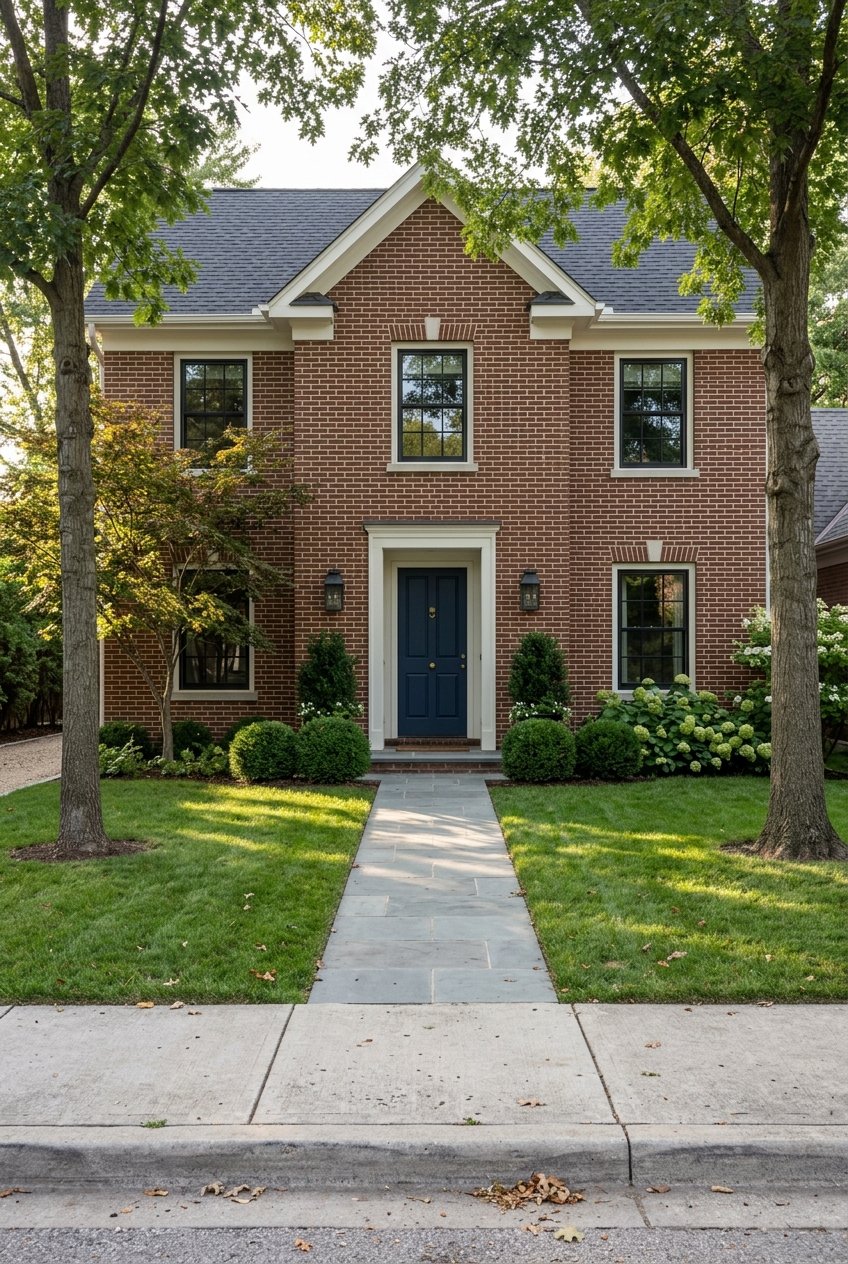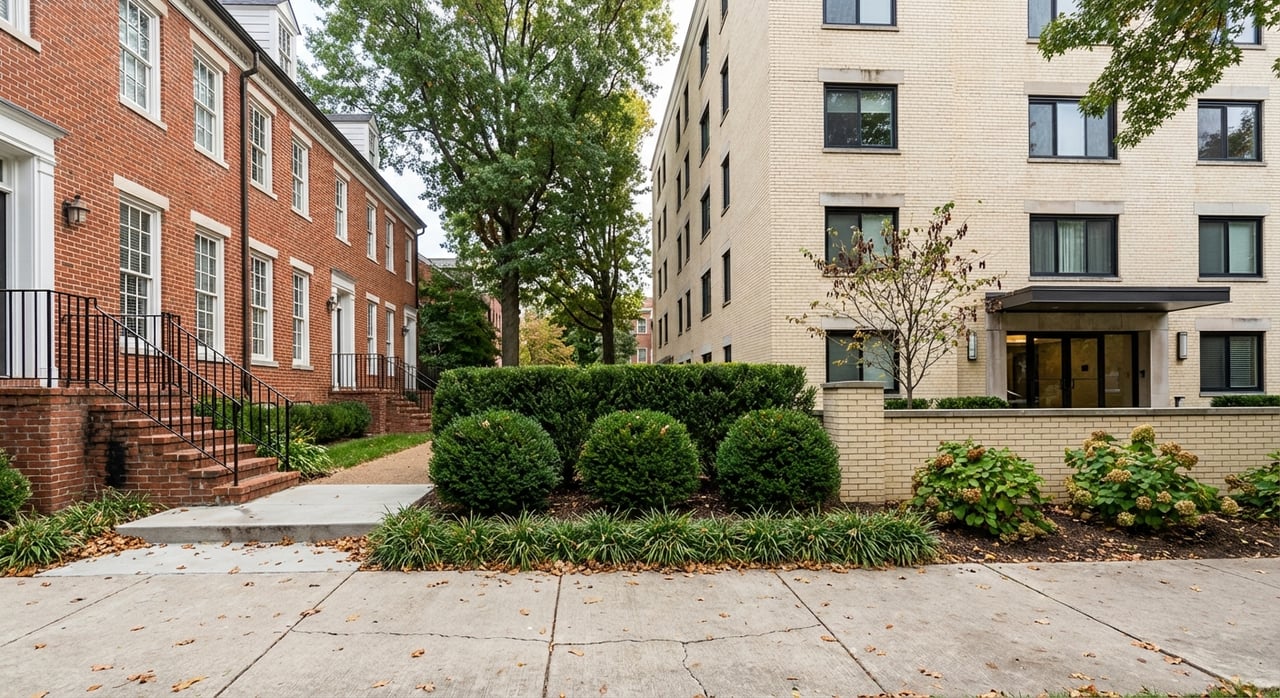
Torn between a condo and a townhome in Bethesda? With home values high and demand steady, it is smart to weigh space, costs, and financing before you decide. You want easy living, predictable expenses, and a strong resale outlook. This guide walks you through the key differences in ownership, fees, insurance, lending, and lifestyle so you can choose with confidence. Let’s dive in.
Condo vs townhome basics in Bethesda
Bethesda is a close-in Montgomery County market with a premium price environment. Recent data shows the local home value index around $1.09 million as of late 2025, which makes your choice of property type a meaningful budget decision. In general, condos offer lower-maintenance living and smaller footprints near transit and retail. Townhomes deliver more square footage, private parking, and outdoor space, often at a higher price with more owner responsibilities.
What you typically trade
- Condos: convenience, building amenities, and lower routine maintenance. Expect compact layouts, elevators in mid or high rises, and the most walkable locations.
- Townhomes: more interior space across 3 to 4 levels, a garage, and a small yard or roof deck. Expect some exterior upkeep and a more residential setting.
Ownership and duties in Maryland
Under the Maryland Condominium Act, a condo owner holds title to a unit plus an undivided interest in the common elements. The condominium association is responsible for maintaining the common elements and carrying required master insurance. You can review the statute for definitions and responsibilities in the Maryland Condominium Act.
“Townhome” describes the building style, not the legal form. Many townhomes are fee simple, where you own the land and the structure. Others are organized as condominiums, where exteriors and shared items are common elements. The only way to know is to check the recorded declaration, plat, and bylaws. Montgomery County’s Common Ownership Community guidance stresses verifying the documents, since that determines who pays for roofs, driveways, and exterior maintenance. For an overview of local condo and HOA governance, see the County’s Common Ownership Community Manual.
Monthly fees, reserves, and assessments
Association fees vary widely in Bethesda. High-rise condos downtown often include building services, possible utilities, and amenities in the monthly fee. Smaller townhouse HOAs may charge lower fees but shift more exterior and yard work to owners. Recent listing examples show monthly fees ranging roughly from the mid $400s to just under $1,000, which illustrates the local spread.
What fees usually cover:
- Common-area upkeep, landscaping, snow and trash
- Building systems and exterior maintenance
- Master insurance and property management
- Amenities like pools and fitness rooms
- Contributions to capital reserves
Maryland now requires many common-ownership communities to complete reserve studies and fund plans. This policy change, enacted after 2022, can lead to fee adjustments or special assessments if reserves are behind. Learn more about reserve-study requirements from the summary of Maryland House Bill 107.
Red flags to check in the resale packet
- Low reserves or an outdated reserve study
- Frequent or large special assessments
- Repeated budget shortfalls or high delinquency rates
- Pending major litigation or insurance disputes
The Maryland Attorney General’s consumer guide outlines what to request and why it matters, including budgets, financials, minutes, and insurance certificates. It is a practical checklist for your document review. See the AG’s guide, Understanding Condominium Living.
Insurance 101 for each option
Condos: The association carries a master policy for the building and common elements. You buy an HO-6 policy that covers your interior finishes, personal property, personal liability, and often loss assessment. This “walls-in” approach pairs with the master policy. For an easy refresher on condo coverage, review this primer on what condo insurance typically covers, and confirm your building’s master policy scope in writing.
Fee-simple townhomes: You usually carry an HO-3 homeowners policy that covers the dwelling exterior and interior, plus your belongings and liability. If your HOA insures certain shared features, coordinate your coverage to avoid gaps.
Maryland’s statute also addresses association insurance duties and owner evidence requirements. Ask for certificates of insurance and verify any deductibles or loss-assessment obligations. Check the Maryland Condominium Act and your community’s bylaws for specifics.
Financing differences that matter
Condos are subject to project-level eligibility for many loan programs. FHA, VA, and the GSEs evaluate condominium projects for factors like owner-occupancy, reserves, commercial space, litigation, and assessment delinquencies. If a building is not approved or is considered non-warrantable, financing can be limited or costlier. You and your lender should confirm approval status early using HUD’s FHA condominium guidance and lookup and by reviewing the HOA’s questionnaire.
Common reasons a condo is considered non-warrantable include low owner occupancy, inadequate reserves or reserve studies, high investor concentration, significant commercial mix, assessment delinquencies, or material litigation. These are standard lender realities summarized in industry guidance like the federal condo approval guidelines.
For townhomes that are fee simple and not part of a condo regime, lenders usually treat the property like a single-family home. That often means fewer project checks and a smoother path for conventional, FHA, or VA financing, subject to confirmation of the title form. You can read a succinct comparison in this overview of condo financing vs other homes.
Your action steps
- If you plan to use FHA or VA, verify condo project approval at the start.
- Ask the HOA for any agency approval letters and recent questionnaires.
- Share the resale package with your lender early to prevent surprises.
Space, layout, and lifestyle tradeoffs
Condos: Popular in downtown Bethesda for walkability to Metro, dining, and retail. Typical layouts are one to two bedrooms in roughly 600 to 1,200 square feet, with building amenities that simplify daily living. Elevators and concierge services can be a plus if you prefer a lock-and-leave lifestyle.
Townhomes: Commonly 2,400 to 3,400 square feet across three or four levels, with a two-car garage and flexible spaces for work, guests, or play. Many communities sit a bit farther from the urban core and trade transit convenience for quieter streets and more room.
Your ideal fit comes down to how you live: Do you value walkable convenience and minimal chores, or do you want a private garage, more bedrooms, and an outdoor retreat?
Costs beyond your mortgage
Remember to account for property taxes, insurance, utilities, parking, and commuting costs. Montgomery County publishes its real property tax rates each levy year, which can help you model annual expenses across neighborhoods and housing types. Review the County’s Real Property Tax Rates to plug accurate numbers into your budget.
- Condos: Factor in monthly fees, any included utilities, and parking costs. Some buildings include water, gas, or cable. Others bill them separately.
- Townhomes: Expect separate utility bills and, if fee simple, responsibility for exterior maintenance. Smaller HOA fees may not cover much beyond common-area upkeep.
Buyer checklist for a confident choice
Use this list to compare two or three properties side by side. Ask the listing agent or association for the following, then share with your agent and lender:
- Full resale packet: declaration, bylaws, plat, budget, 12 to 24 months of financials, reserve study, insurance certificates, board minutes, and any litigation. See the AG’s consumer guide for a buyer-friendly overview of why these matter.
- Reserves and studies: date of the latest reserve study and current reserve balance. Compare this to required improvements. Learn why Maryland requires these studies in the HB 107 summary.
- Current monthly fee and inclusions: clarify utilities, amenities, and services included. Confirm how parking conveys and whether it is deeded, assigned, or leased.
- Insurance: association master policy limits, deductibles, and whether loss-assessment coverage is recommended. Verify any annual evidence requirements. Check the Maryland Condominium Act for association obligations.
- Financing eligibility: FHA, VA, or GSE approval status and any project questionnaire answers that could affect lending. Start with HUD’s FHA condo resources and confirm with your lender.
- Use rules and rental caps: if you plan to rent at any point, review restrictions in the governing documents.
- Governance and dispute info: Montgomery County’s CCOC resources can help you understand board roles and owner rights. See the County’s Common Ownership Community Manual.
Which is right for you?
Choose a condo if you want the lowest-maintenance lifestyle, elevator access, and proximity to Metro and amenities. This route can be especially attractive if you are downsizing or travel often, and you prefer predictable, association-managed upkeep.
Choose a townhome if you prioritize square footage, a garage, and private outdoor space. This path tends to fit growing households or those who work from home and want extra rooms without the maintenance of a detached house.
If you are planning a coordinated sell-and-buy move or navigating VA financing, a structured plan matters. Our team can help you compare total monthly costs, read the resale documents, and map the lending path that matches your timeline. When it is time to act, connect with Victoria Scavo for white-glove guidance, including options like cashback at closing and Tandem Transactions to simplify your move.
FAQs
What is the legal difference between a condo and a townhome in Maryland?
- A condo is a legal form under the Maryland Condominium Act where you own a unit plus a share of common elements, while a townhome may be fee simple or a condo, so you must check the recorded declaration and plat to confirm responsibilities.
How do condo and HOA fees in Bethesda typically differ?
- High-rise condos often have higher monthly fees that cover building services and some utilities, while townhouse HOAs may be lower but shift more exterior maintenance to owners; always confirm inclusions and reserves in the resale packet.
Why does condo project approval matter for FHA or VA loans?
- FHA, VA, and GSEs evaluate condo projects for reserves, owner occupancy, litigation, and other factors; if a project is not approved or is non-warrantable, your financing options may narrow, so verify approval early with your lender.
What insurance do I need for a condo versus a fee-simple townhome?
- Condo owners usually carry an HO-6 policy that covers interiors, belongings, and liability alongside the building’s master policy, while fee-simple townhome owners usually carry an HO-3 homeowners policy that covers the exterior and interior of the dwelling.
What are the biggest red flags in condo or HOA documents?
- Low reserves, outdated reserve studies, repeated budget shortfalls, high assessment delinquencies, frequent special assessments, and pending major litigation are all signals to ask deeper questions about future costs and risk.