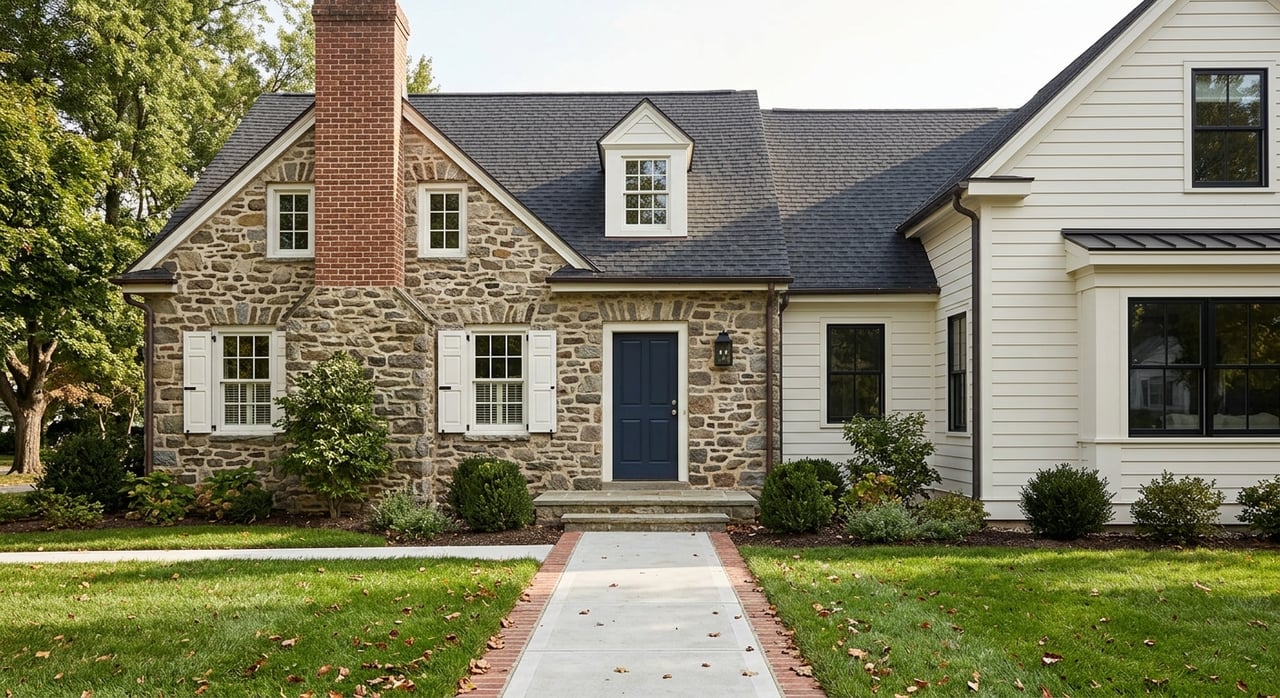
Wondering whether a historic home or a newer build is the better fit in Ellicott City? You are not alone. Many buyers love the charm and walkable feel of Historic Ellicott City, while others want the easier upkeep and modern layouts that often come with newer homes. This guide will help you weigh the tradeoffs, understand local rules, and choose the kind of home that best fits your life. Let’s dive in.
Why This Choice Matters in Ellicott City
Ellicott City is not a one-note market. Howard County describes Historic Ellicott City as a place shaped by revitalization, long-term stewardship, and everyday use, with a compact mix of shops, restaurants, offices, apartments, and nearby homes.
That matters if you are deciding between old and new. In Ellicott City, a historic home is often tied to the setting itself, including the town’s walkable layout, steep slopes, terraces, retaining walls, and use of local granite. A newer home often offers a different experience, with more standardized layouts and features designed for current preferences.
Howard County also makes clear that Ellicott City is not meant to be preserved like a museum. The town has continued to change over time, and local design guidelines are intended as a framework for review rather than rigid rules. That gives buyers a more practical lens for comparing home types.
What Historic Homes Offer
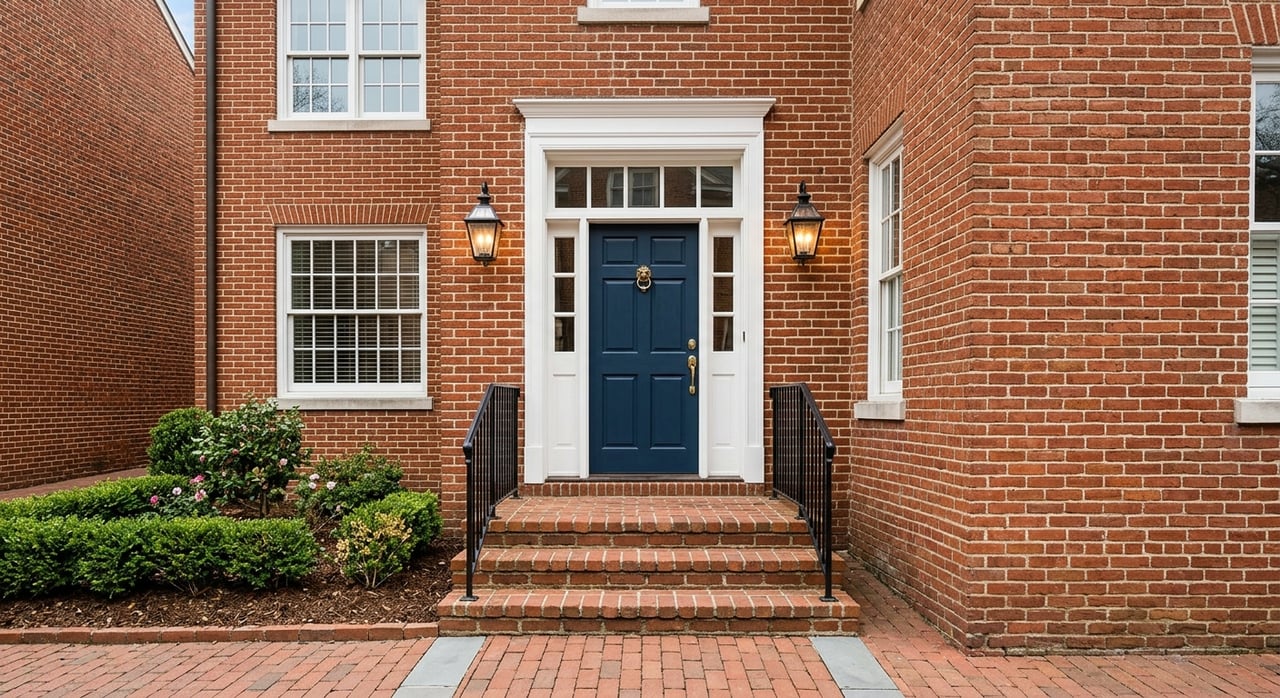
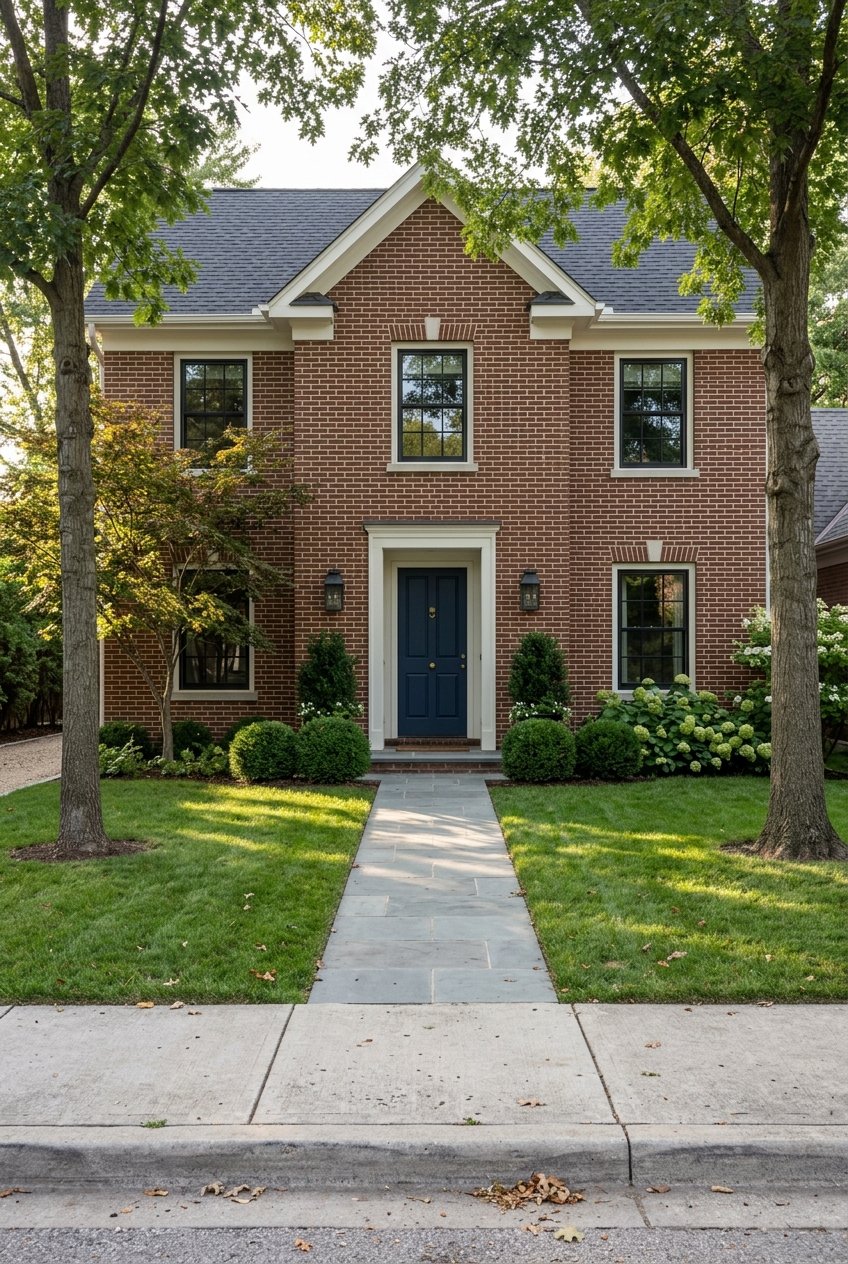
Historic homes in Ellicott City often stand out for their architecture and setting. County guidance points to vernacular granite buildings along with Federal, Neo-Classical, Gothic Revival, and Victorian influences.
For many buyers, the appeal goes beyond curb appeal. Older homes often include character-defining details such as original floor plans, staircases, doors, windows, fireplaces, trim, and other interior features that create a sense of craftsmanship and history.
Historic lots can also feel different from a typical suburban neighborhood. Because the landscape is shaped by hills and terraces, homes may sit on their sites in a way that feels more connected to the terrain than what you would find in a conventional subdivision.
Historic Home Advantages
If you are drawn to historic properties, you may value features like:
- Distinctive architectural character
- Original interior details and materials
- A stronger connection to Ellicott City’s history
- Proximity to the walkable old-town setting
- A streetscape shaped by the area’s natural terrain
What To Know About Historic District Rules
If a home is in the historic district, exterior changes generally require a Certificate of Approval from Howard County. That can affect projects like exterior alterations and other visible improvements.
Interior changes are usually more flexible. Howard County states that interior alterations generally do not require historic-district review, which can give you more room to update the inside of the home for your needs.
Routine maintenance is treated differently from larger projects. The county says like-for-like repair or replacement of roofs, gutters, siding, external doors, and windows can count as routine maintenance, while new construction and demolition do not.
It is also important to know what the rules do not say. Howard County notes that owners are not required to maintain or restore historic-district properties, but any planned exterior work should still be reviewed carefully before you begin.
Historic Home Tax Credit Potential
Maryland offers a homeowner historic tax credit for eligible rehabilitation work on certified historic structures. The credit can equal 20% of eligible rehabilitation expenses, up to $50,000 over 24 months.
The timing matters. The work must be approved before it begins, so if this benefit is part of your plan, you will want to factor that into your timeline early.
What Newer Homes Offer
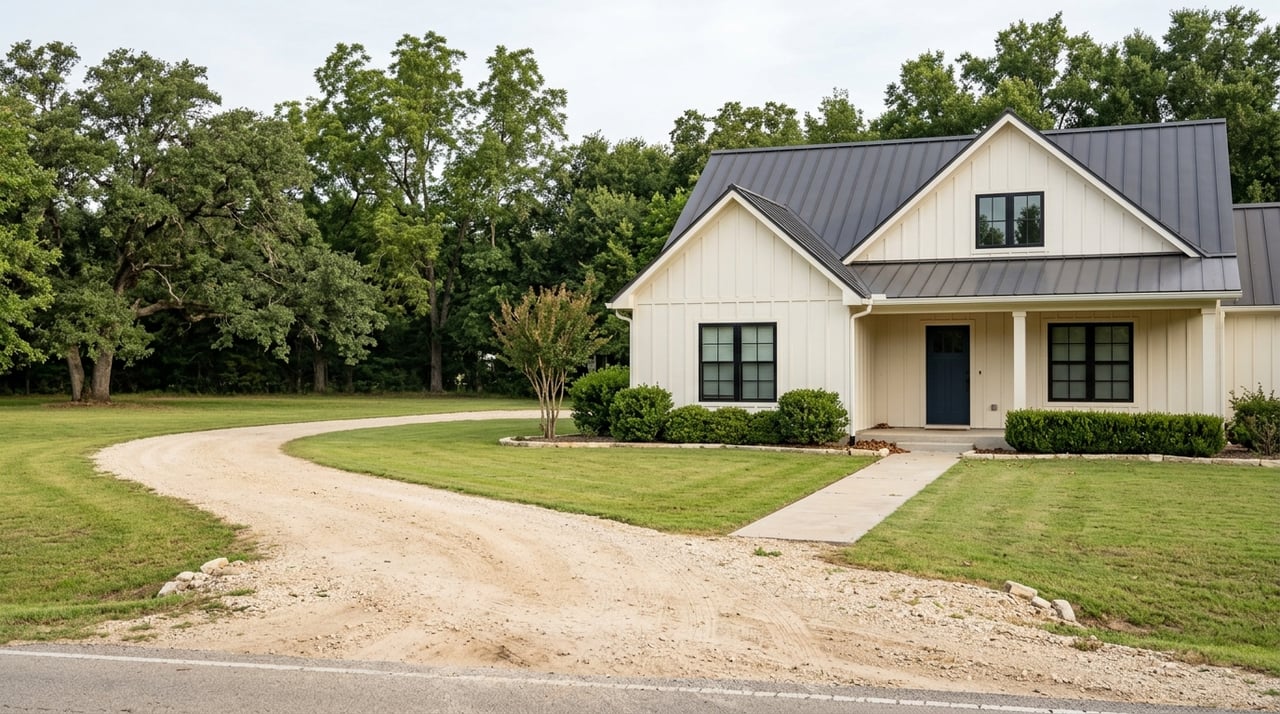
Newer homes in and around Ellicott City often appeal to buyers who want a more predictable ownership experience. They are more likely to reflect production-home design, where you may find multiple plans, model homes to tour, and communities with features such as trails, playgrounds, and convenient access to shopping.
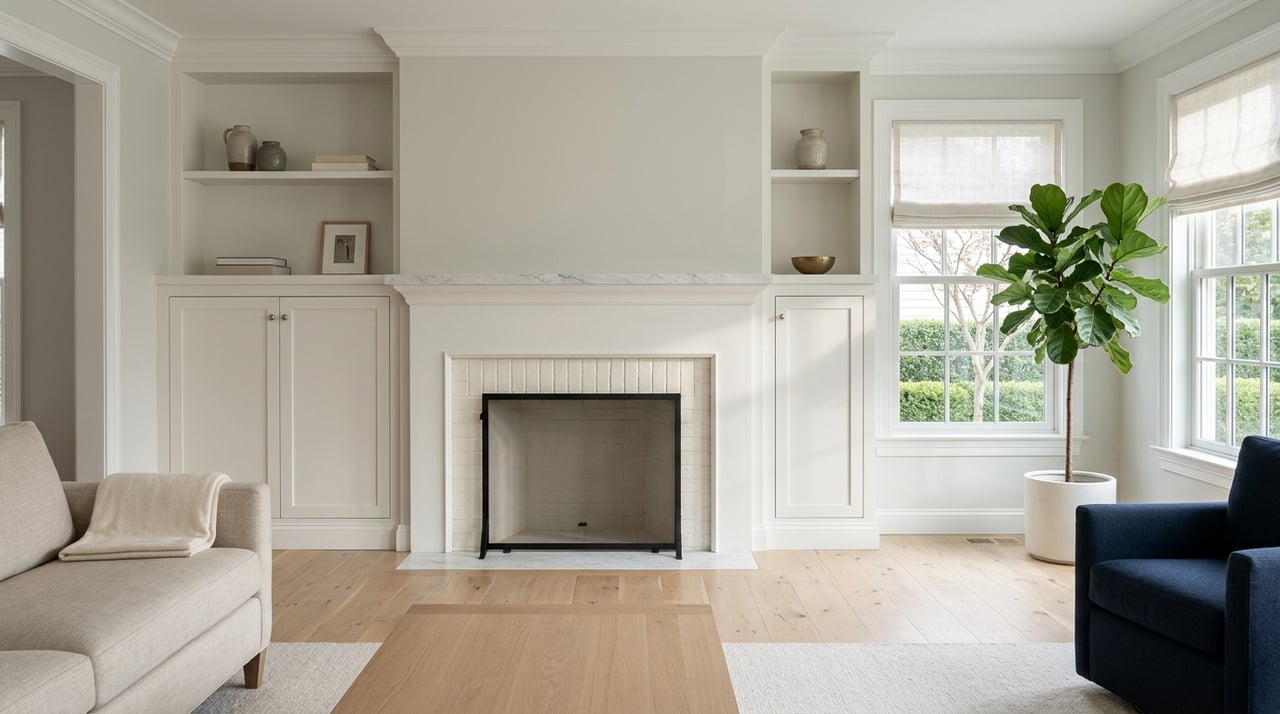
Inside, newer homes tend to follow today’s most requested layouts. National homebuilding data points to larger kitchens that open into family rooms, supporting a more casual and connected style of daily living.
Buyers also tend to want practical spaces that support routines. In a 2024 survey, 86% of buyers rated a laundry room as desirable or essential, and about two-thirds said the same about a walk-in pantry.
Newer Home Advantages
A newer home may be a better fit if you want:
- Open-concept living areas
- Larger kitchens connected to common spaces
- Features that support modern routines
- Easier energy upgrades from the start
- Less day-to-day maintenance complexity
Energy Efficiency And Daily Comfort
Energy performance is one of the biggest differences between historic and newer homes. The U.S. Department of Energy notes that older homes often have less insulation than homes built today.
Windows and doors also matter. DOE says windows account for 25% to 30% of residential heating and cooling energy use, and older doors can contribute meaningful air leakage.
That does not mean a historic home cannot become more efficient. The National Park Service notes that historic buildings can be improved for sustainability, energy efficiency, and resilience, but those upgrades should preserve historic character.
If you are comparing options, think in terms of your starting point. A newer home will often begin with a better baseline for insulation, air sealing, windows, and doors, while a historic home may need a more thoughtful upgrade plan.
Ellicott City Flood Context Matters
In Ellicott City, flood resilience is not a side issue. Howard County adopted its watershed master plan after the 2016 and 2018 floods, and that plan includes building removals, renovations, high-ground wayfinding, and other safety-oriented improvements in Historic Ellicott City.
If you are considering a home in or near the historic core, pay close attention to the property’s flood context. Elevation, drainage, and the broader location within the area should be part of your decision from the start.
This is one of the biggest local factors that can shape your comfort level. Two homes with similar charm or price can feel very different once you understand their site conditions and location context.
How To Choose The Right Fit
For most buyers, the choice comes down to lifestyle priorities. A historic home may be the better fit if you care most about character, place, and a walkable old-town setting.
A newer home may be the better fit if you want a more standardized layout, easier energy performance, and less maintenance complexity. Neither option is universally better. The right choice depends on how you want to live day to day.
Ask Yourself These Questions
Before you decide, ask yourself:
- Do you want original character or a more modern layout?
- How comfortable are you with ongoing upkeep and project planning?
- Is walkability to the historic core a top priority?
- Do you want a home that starts with newer insulation, windows, and doors?
- Are you open to review requirements for exterior changes?
- Have you looked closely at elevation, drainage, and flood context?
A Practical Side-By-Side Comparison
| Factor | Historic Home | Newer Home |
|---|---|---|
| Setting | Often tied closely to the old-town environment | Often part of more conventional neighborhood planning |
| Architecture | Distinctive period character and original details | More standardized designs and current layouts |
| Layout | May reflect older floor plans and room separation | Often open kitchens and family-room flow |
| Exterior changes | Usually require review in the historic district | May be simpler, depending on location and community rules |
| Interior changes | Generally not subject to historic-district review | Usually more straightforward from the start |
| Energy baseline | Often needs more attention to insulation and air sealing | Usually stronger baseline for efficiency |
| Maintenance | Can require more careful matching of materials and design | Often lower day-to-day maintenance complexity |
Final Thoughts On Buying In Ellicott City
Ellicott City gives you a real choice, not just between two house styles, but between two ways of living. One leans into history, character, and a terrain-shaped town center. The other often offers convenience, efficiency, and layouts built for modern routines.
If you take the time to match the home to your priorities, you will make a more confident decision. The best move is the one that fits your budget, your comfort with upkeep, and the way you want to experience Ellicott City every day.
If you want help comparing historic and newer homes in Ellicott City, the team at Victoria Scavo can help you sort through the options with clear guidance and white-glove support.
FAQs
What makes historic homes in Ellicott City different from newer homes?
- Historic homes often offer distinctive architecture, original details, and a stronger connection to the walkable old-town setting, while newer homes more often provide modern layouts, easier energy performance, and lower maintenance complexity.
Do exterior changes to historic homes in Ellicott City require approval?
- Yes. In the historic district, exterior changes generally require a Certificate of Approval from Howard County.
Can you remodel the interior of a historic home in Ellicott City more freely?
- Generally, yes. Howard County states that interior alterations usually do not require historic-district review.
Are newer homes in Ellicott City usually more energy efficient?
- They often start from a better baseline because newer homes typically have stronger insulation, better air sealing, and more efficient windows and doors.
Is there a tax credit for historic home rehabilitation in Maryland?
- Yes. Maryland offers a homeowner historic tax credit for eligible rehabilitation work on certified historic structures, equal to 20% of eligible expenses up to $50,000 over 24 months, with approval required before work begins.
Why should buyers consider flood context in Historic Ellicott City?
- Howard County’s watershed planning specifically addresses flood mitigation and high-ground access in Historic Ellicott City, so buyers should review elevation, drainage, and location context carefully when comparing homes.